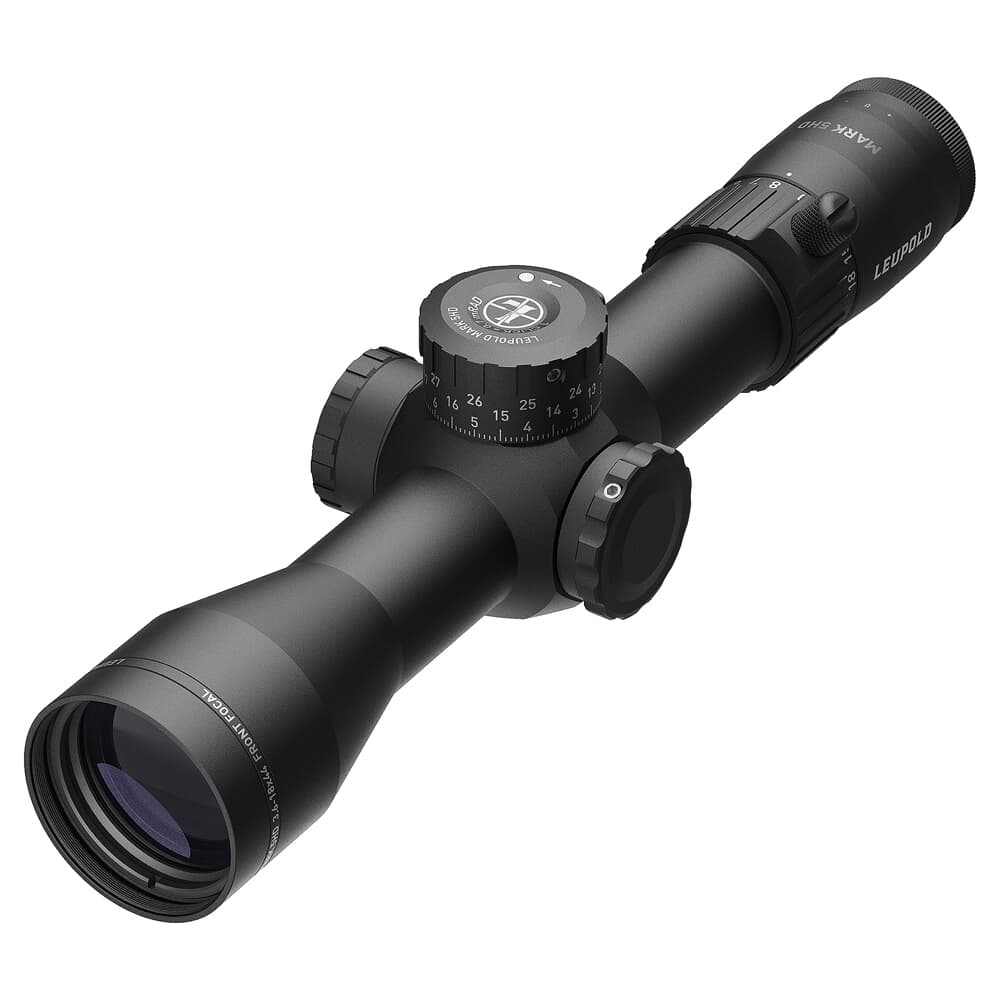
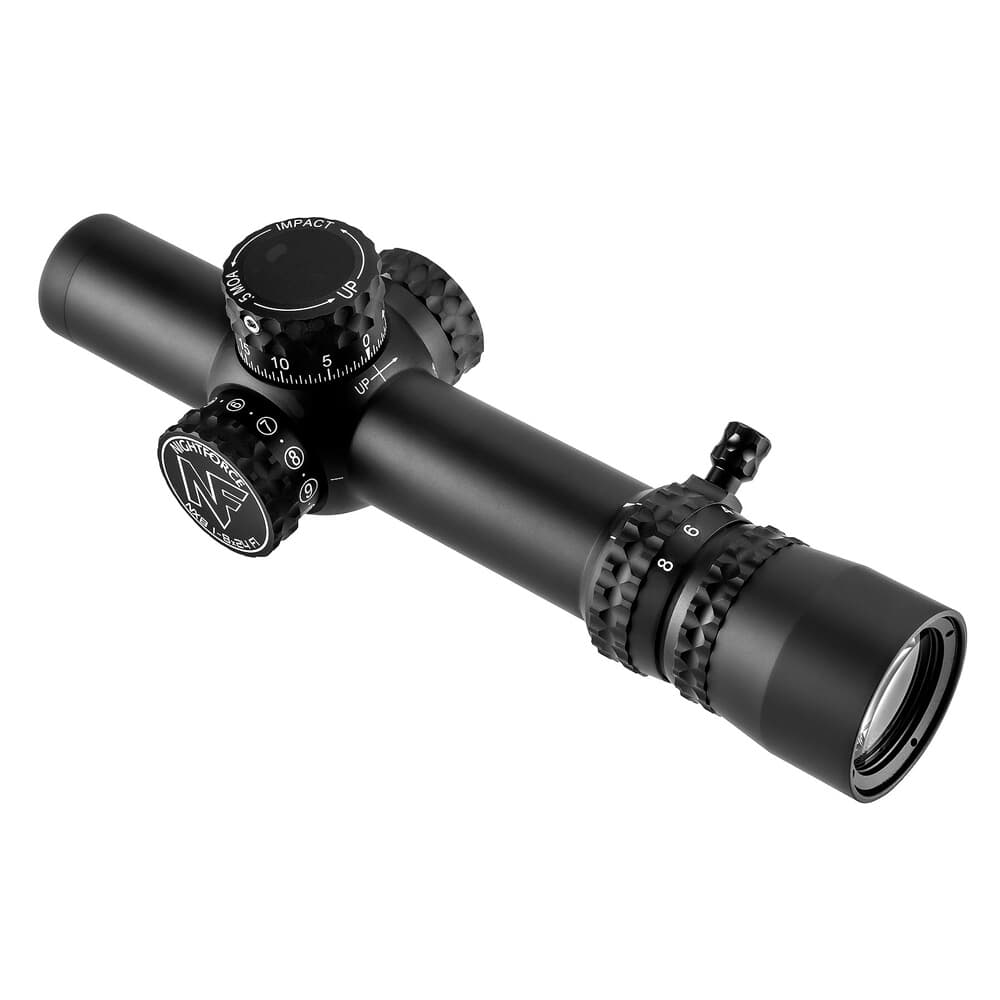
Rifle Scopes
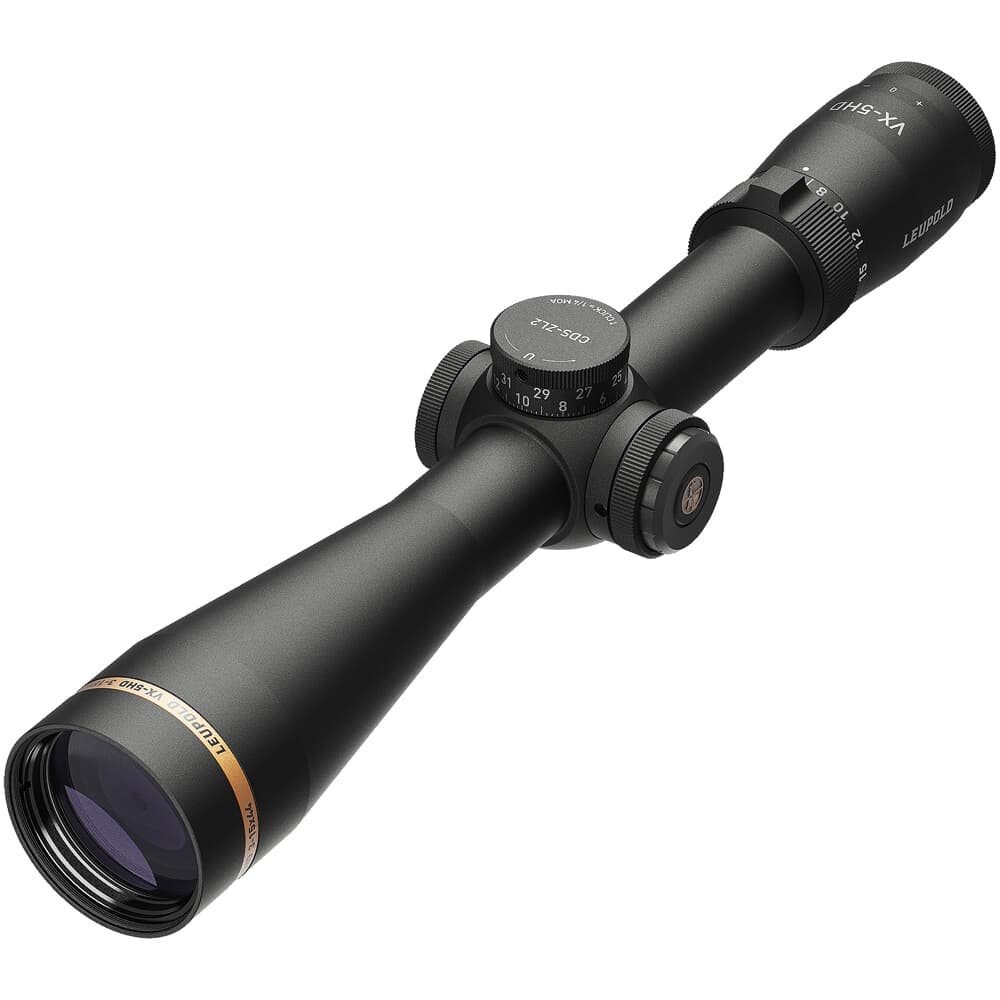
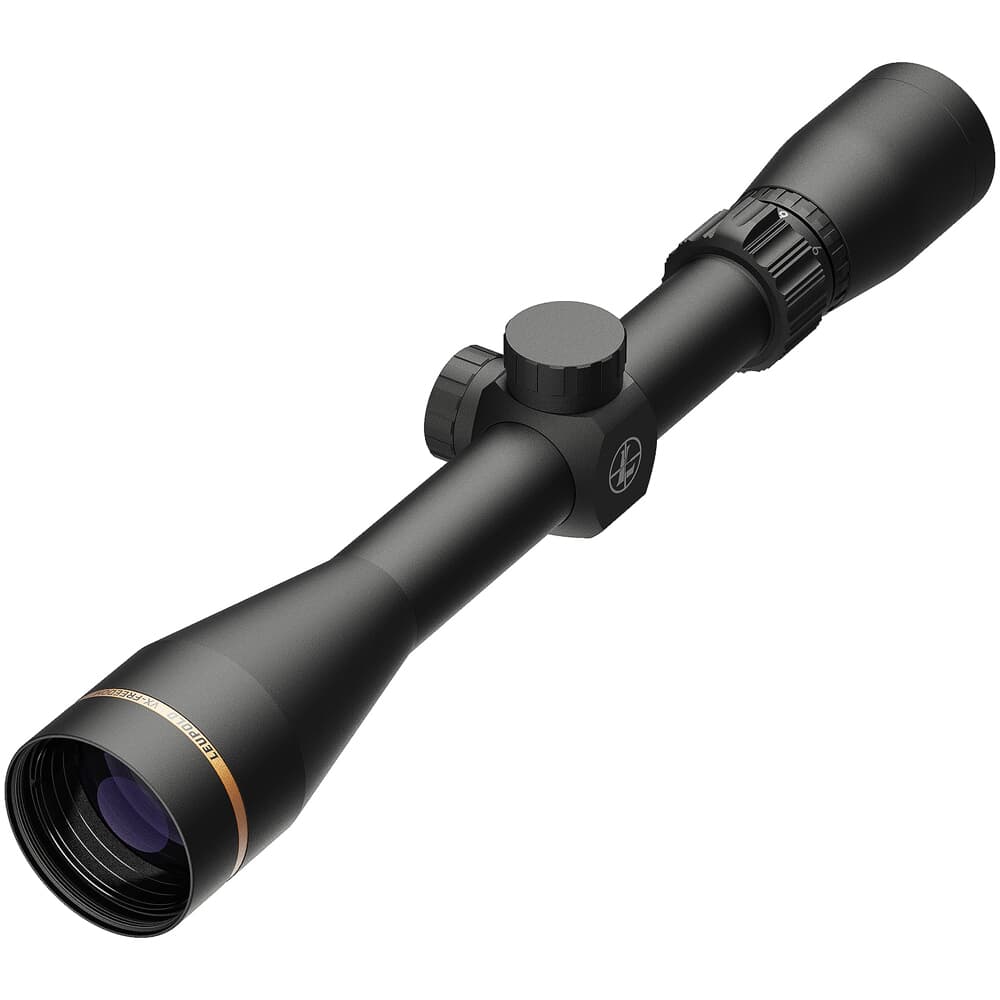
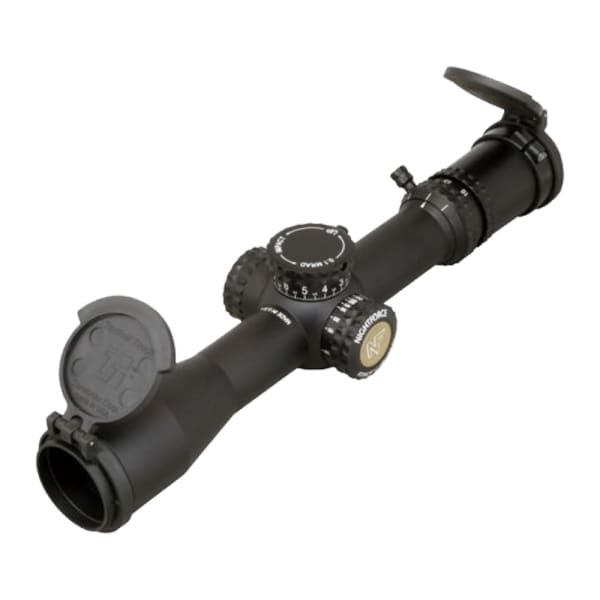
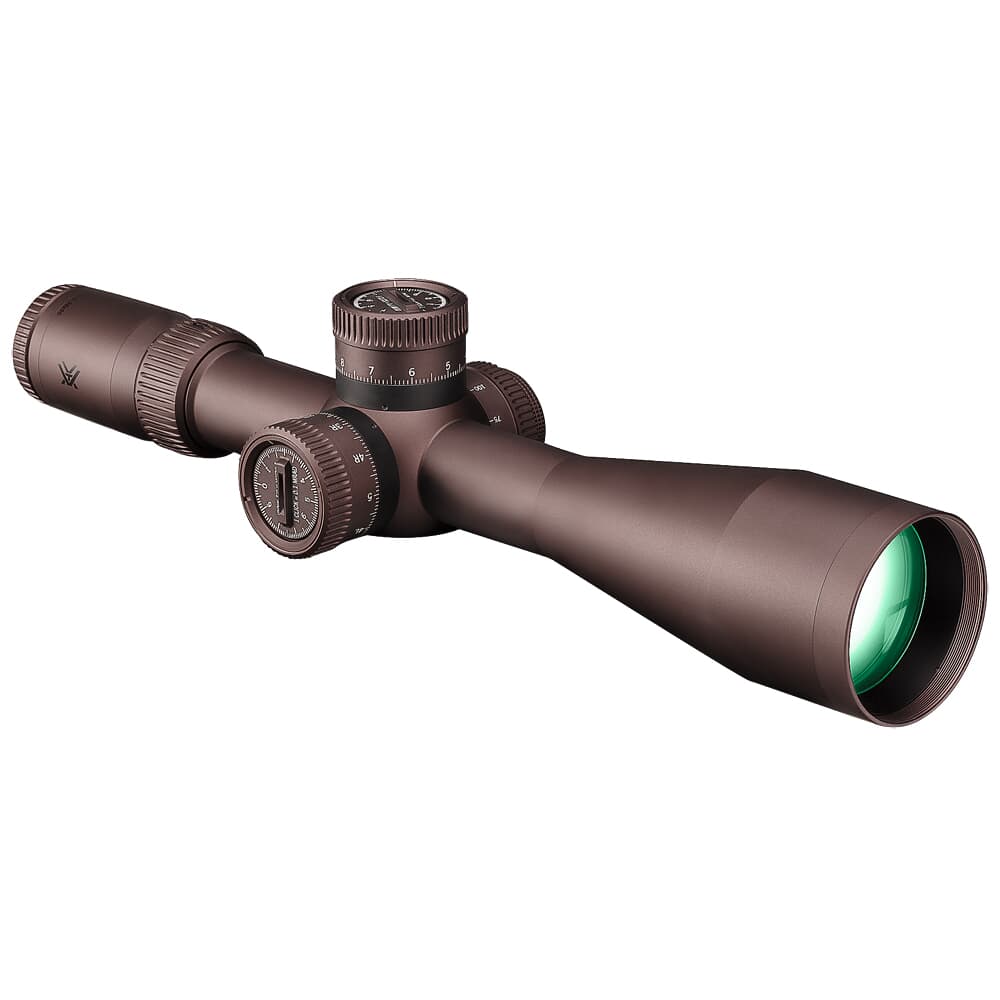
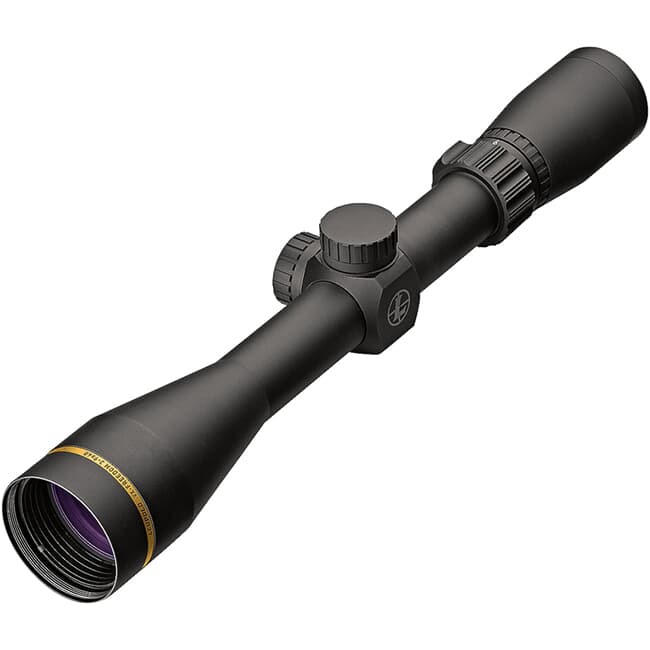
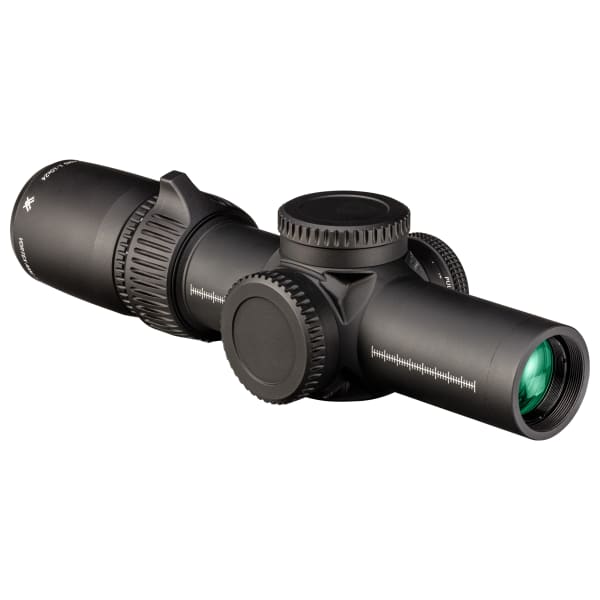
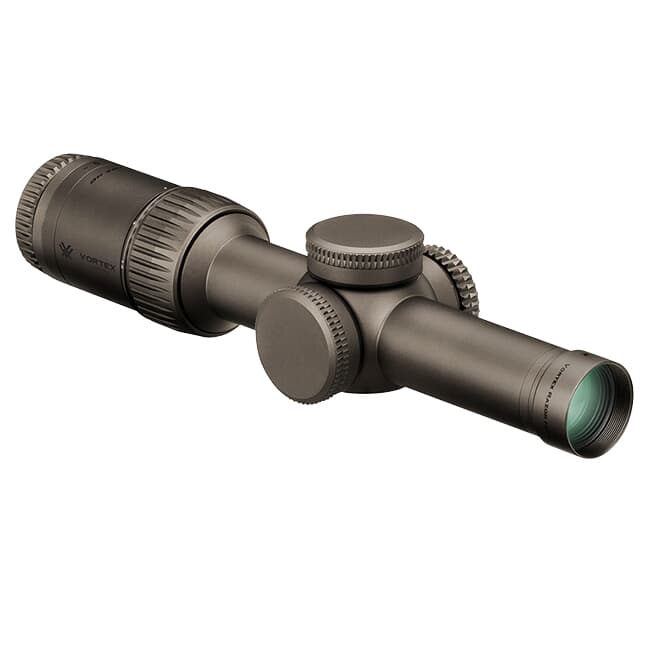
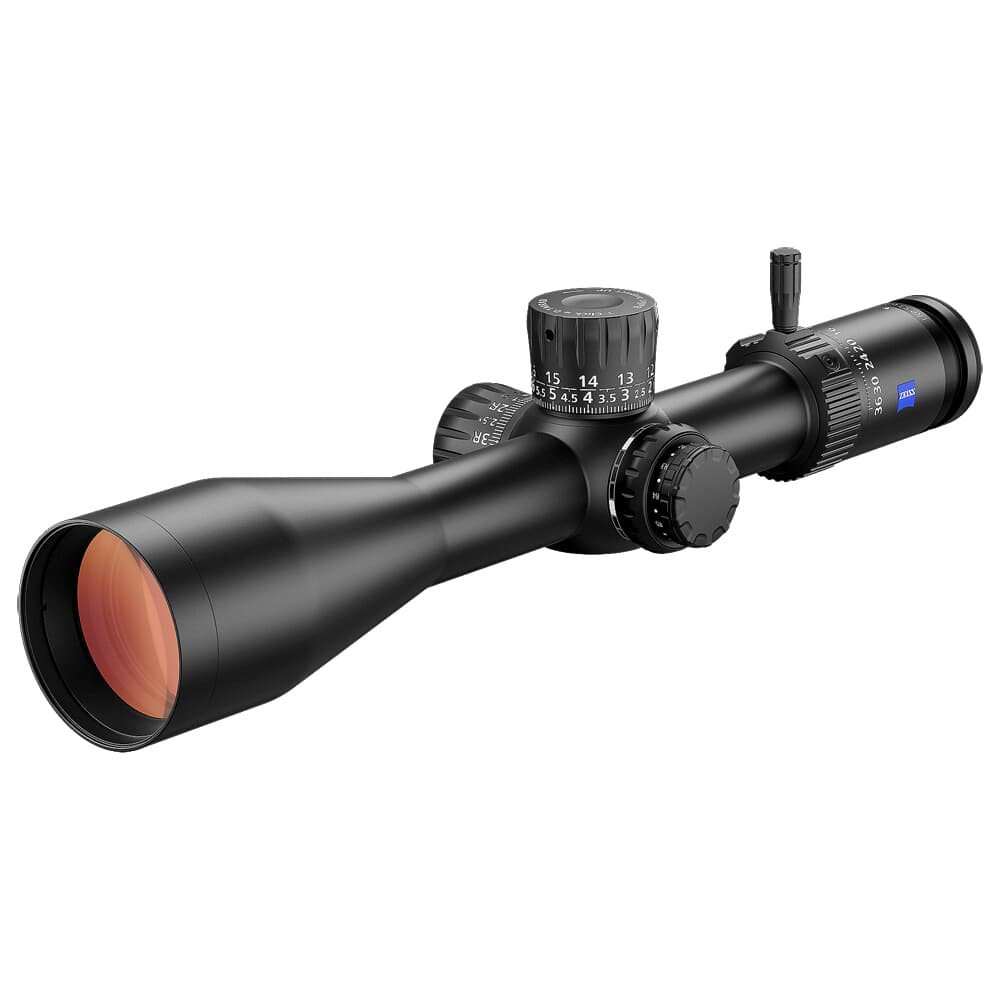
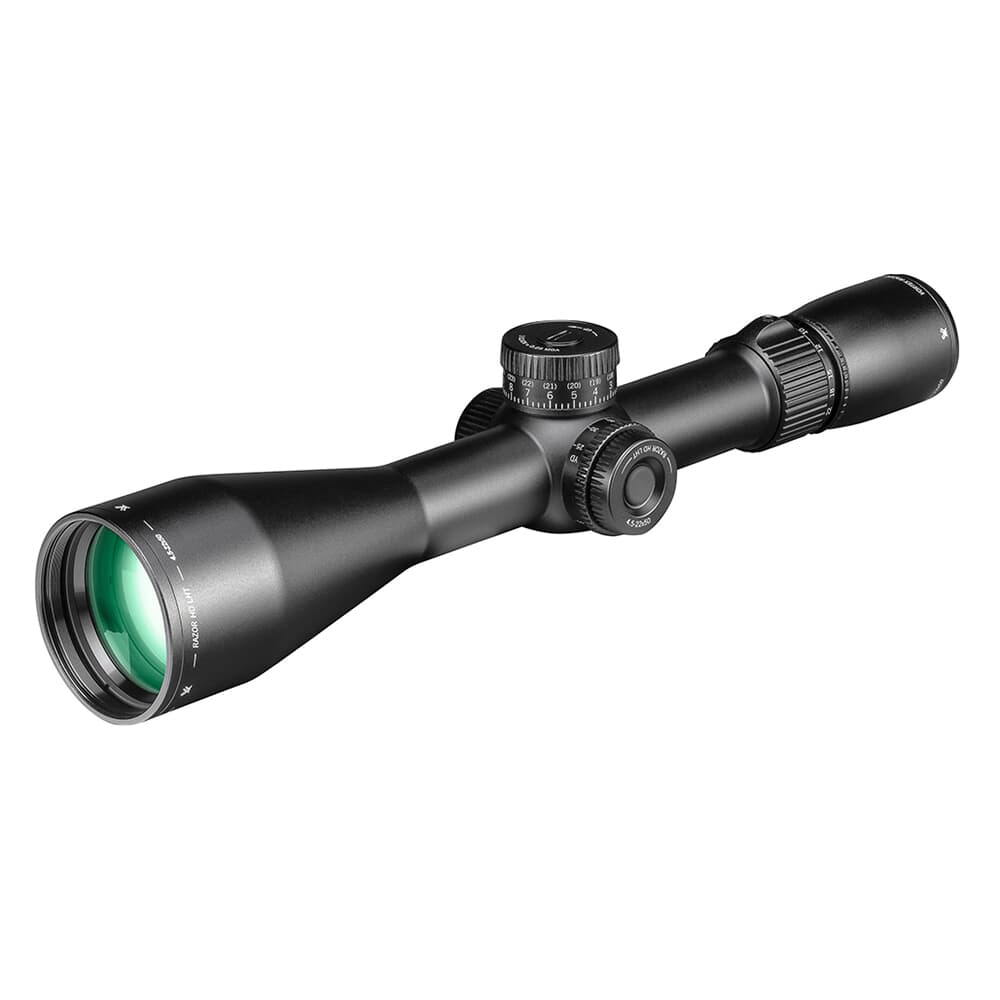
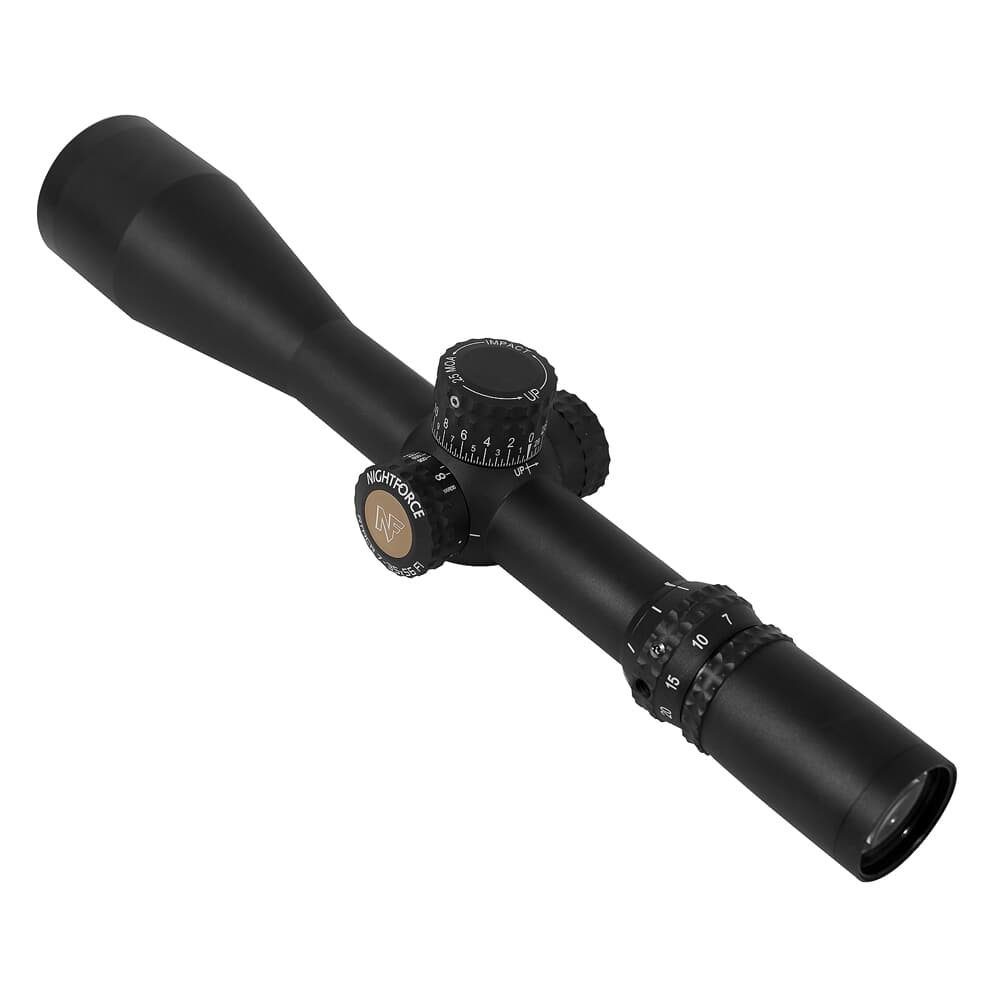
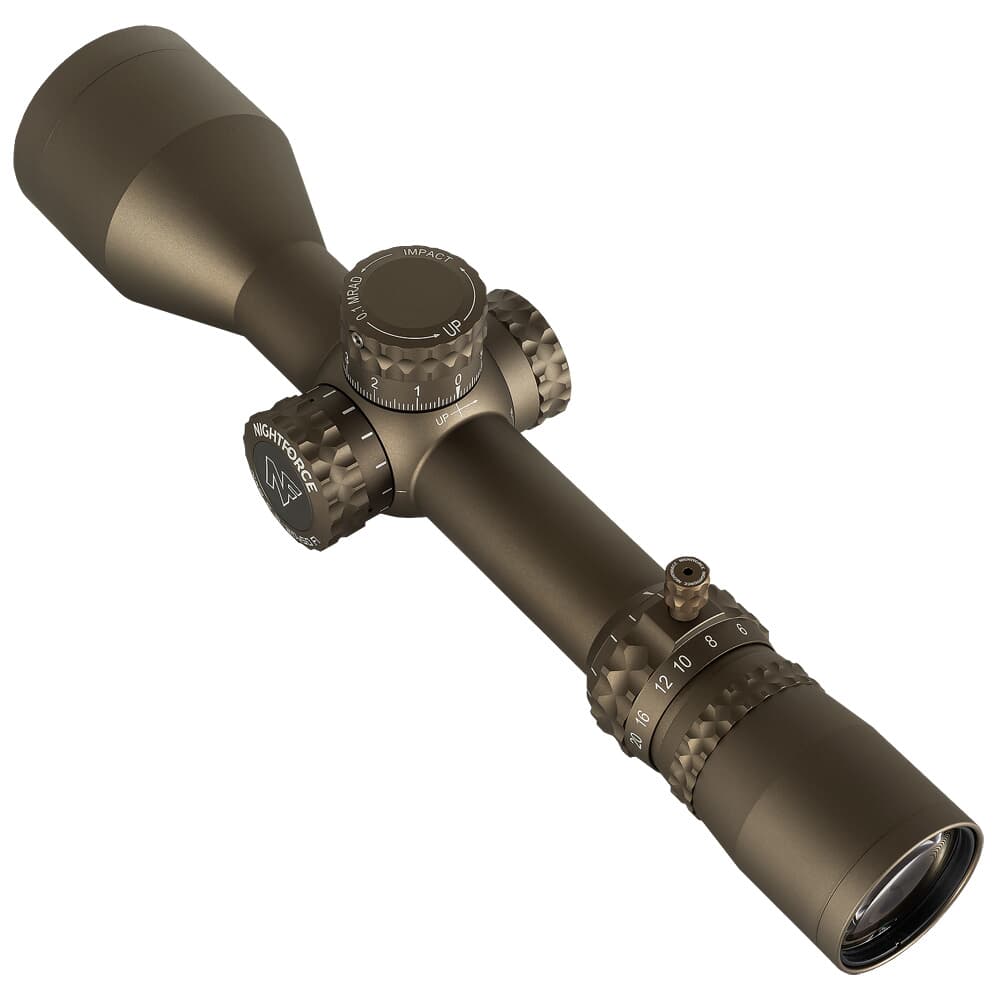
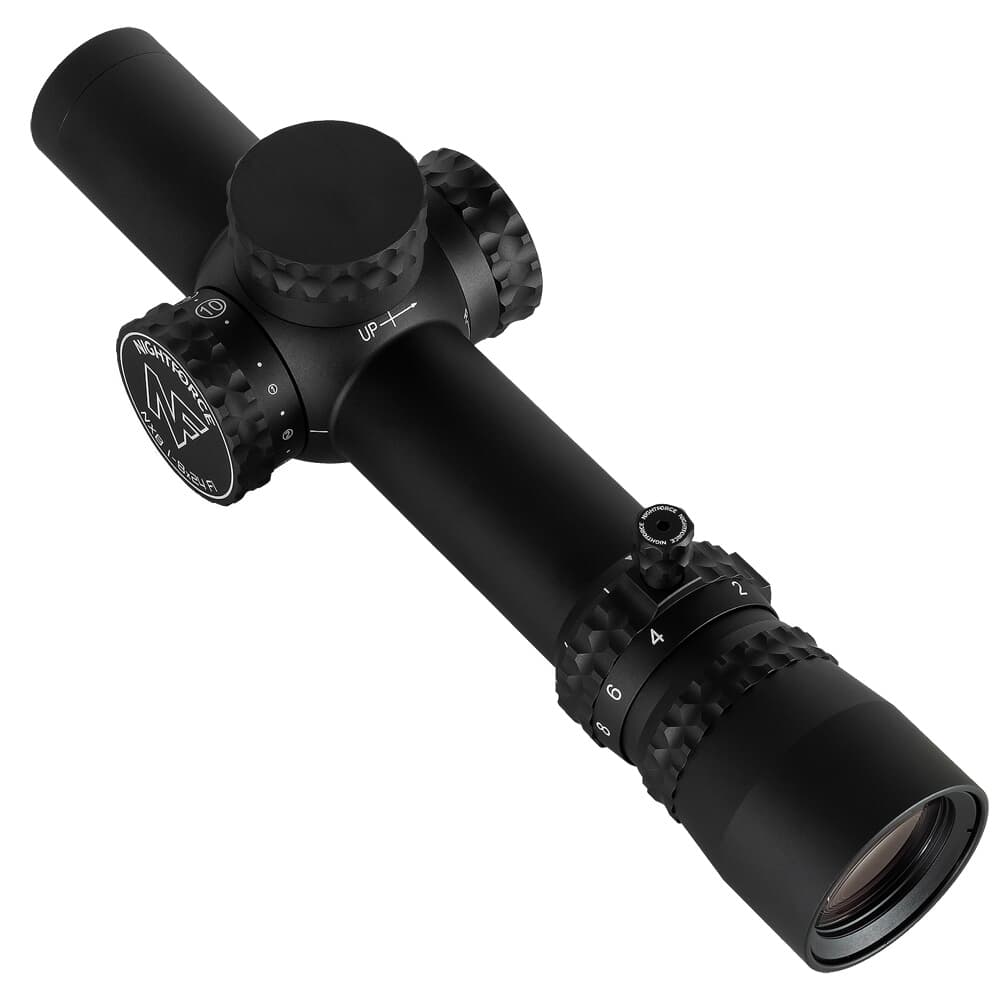
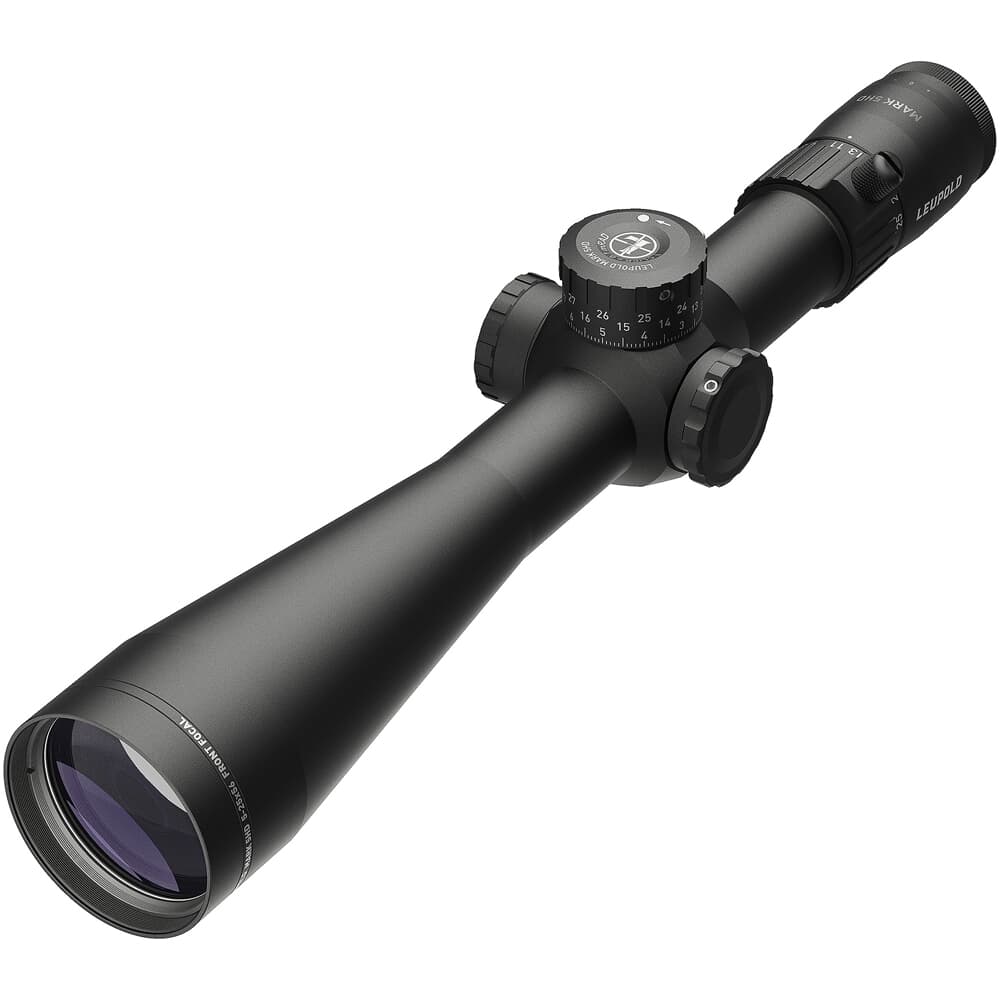
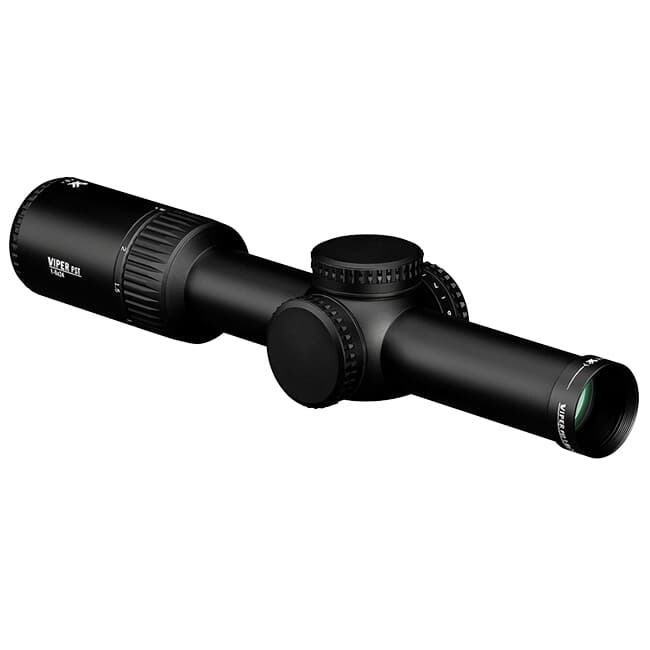
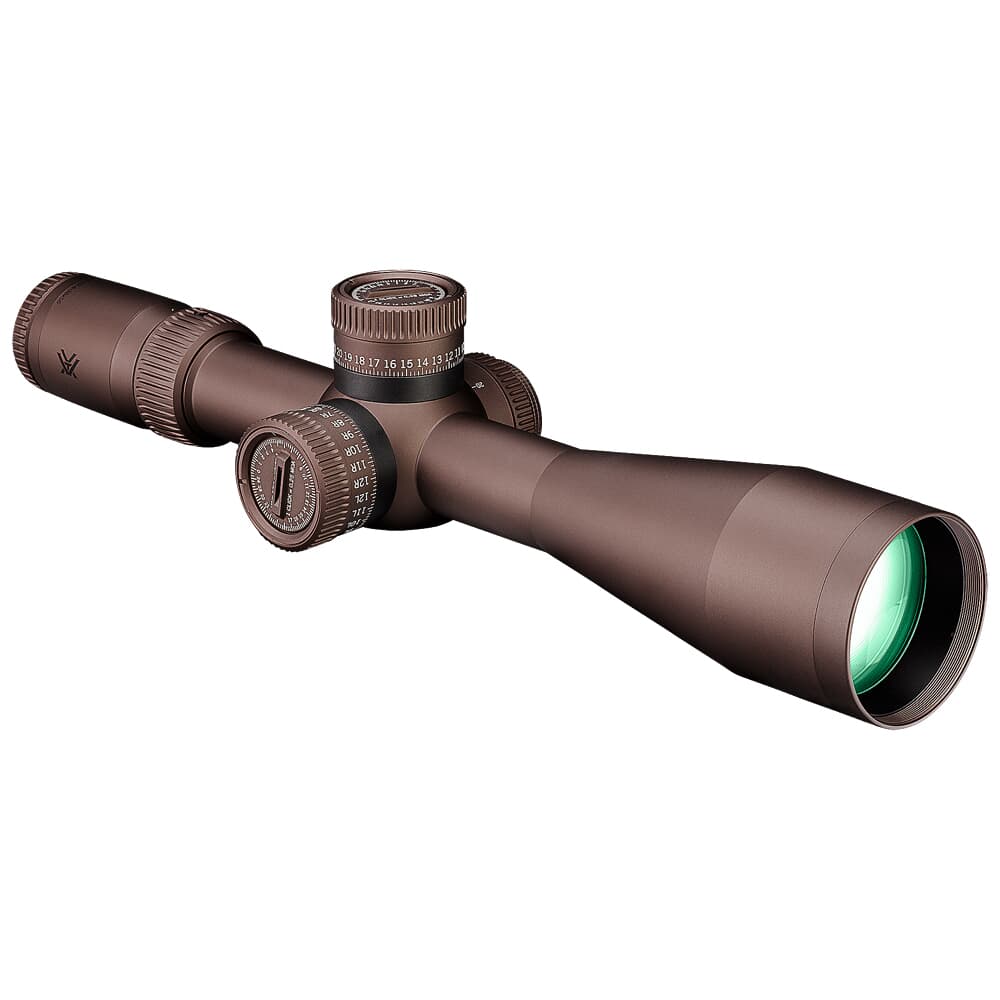
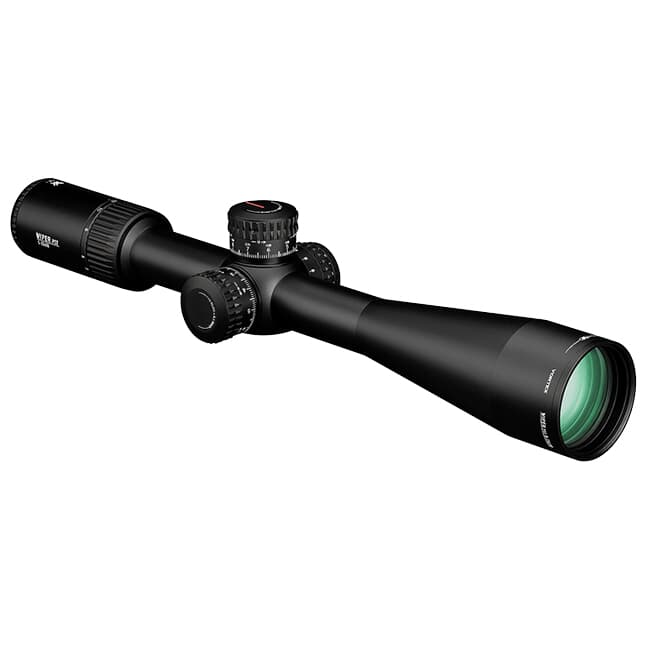
Scopelist carries rifle scopes for sale across hunting, long-range, competition, duty, and general range applications. Use the filters to narrow the current selection by magnification, reticle, tube diameter, focal plane, illumination, brand, condition, and price.
Start with the distances and conditions you expect to encounter most often, then compare the features that affect sight picture, adjustment range, weight, and low-light performance. Shoppers comparing other optic types can also browse Scopelist’s broader scopes selection.
How to Compare Rifle Scopes
Choosing a rifle scope becomes easier when you compare the features that affect your intended use, mounting setup, and preferred adjustment system.
Start With Your Intended Use
Before using the filters, decide how you expect to use the optic most often. A versatile scope can cover several applications, but the right balance of magnification, reticle, weight, and adjustment features depends on whether the primary use is hunting, long-range shooting, competition, duty, or general range use.
Precision and long-range shooters may prioritize advanced reticles, repeatable adjustments, and parallax control. Hunters may place more emphasis on weight, low-light performance, and a practical magnification range, while competition and duty buyers may prioritize a wider field of view and faster sight picture.
Matching the scope to your intended application helps you cut out unnecessary features while finding models that are built for your style of shooting.
Choose the Right Magnification Range
Long-range rifle scopes generally emphasize higher magnification and precise adjustment features, while hunting scopes often balance magnification with field of view, weight, and low-light performance. Variable-power optics provide flexibility across multiple distances.
Rather than choosing the highest available magnification, consider the distances you expect to shoot most often. Compare each model’s magnification range, field of view, objective size, and overall weight before narrowing the selection.
Understand the First and Second Focal Plane
Scopelist carries both first focal plane and second focal plane rifle scopes. In an FFP scope, the reticle scales with magnification, so its subtensions remain consistent relative to the target throughout the zoom range. That can be useful for shooters who use holdover or ranging references at different magnification settings.
In an SFP scope, the reticle remains the same apparent size as magnification changes. The reticle’s subtensions are typically accurate at a designated magnification, which varies by model. Many hunters and recreational shooters prefer the consistent visual size, but the best choice depends on how the reticle will be used.
Compare Reticle Styles
Reticles range from simple duplex designs to detailed hash-mark patterns. A simpler reticle can provide a clean sight picture and fast acquisition, while a more detailed design adds holdover and windage references for precision shooting.
Illumination can improve reticle visibility in low light or against dark backgrounds. After narrowing the selection by magnification and focal plane, compare reticle layout and illumination based on how much reference information you want in the sight picture.
Consider Tube Size and Objective Lens
The tube diameter of an optic affects mounting compatibility, overall size, and potential adjustment range. Common options include 1-inch, 30mm, and 34mm tubes. A larger tube can allow more internal adjustment, but the actual range varies by model, so compare the specifications and use matching rings.
Objective lens diameter affects the scope’s overall size, mounting height, weight, and available exit pupil at a given magnification. A larger objective can support low-light use, but it also adds bulk and may require higher rings. Compare those trade-offs against how the rifle will be carried and used.
Evaluate Turrets and Adjustments
Turret design plays a major role in how well your optic performs in the real world. Capped turrets protect the adjustment knobs when you are hunting or hiking. Exposed turrets allow you to quickly make elevation and windage changes on the fly.
Many premium models also include features such as zero stops, locking turrets, and side parallax adjustment.
Explore Leading Optics Brands
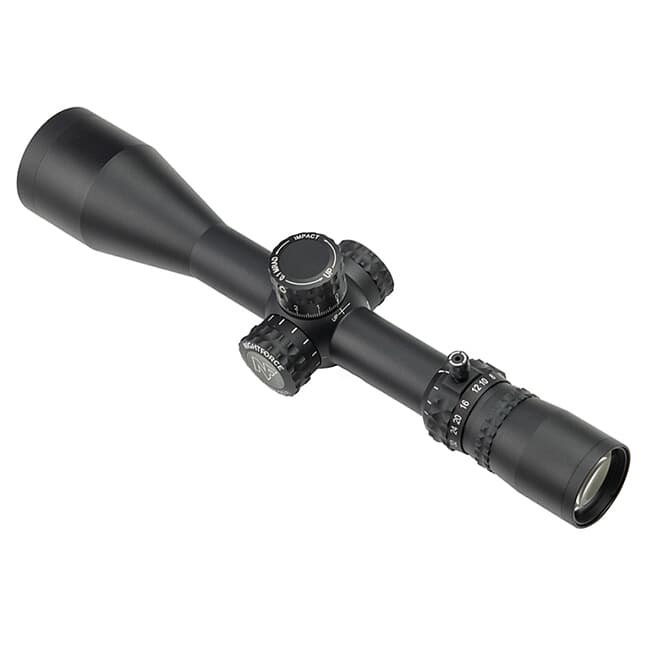
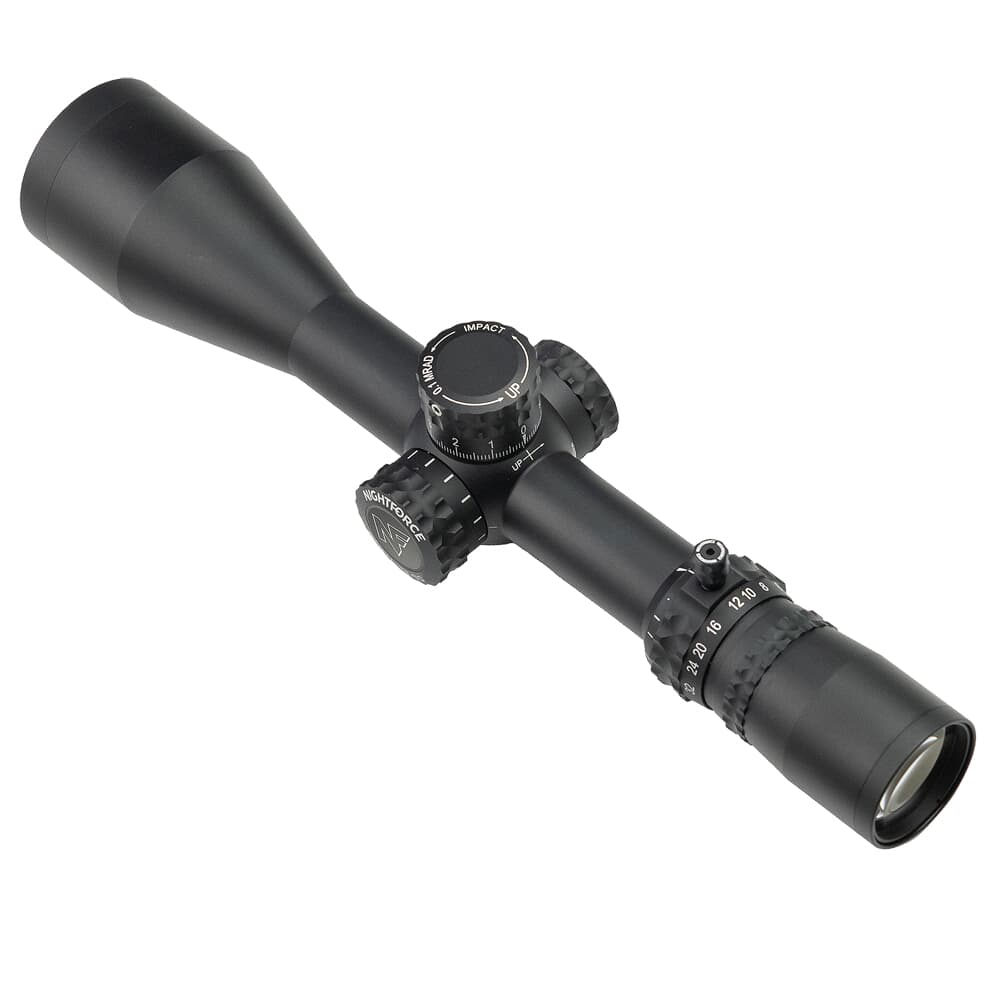
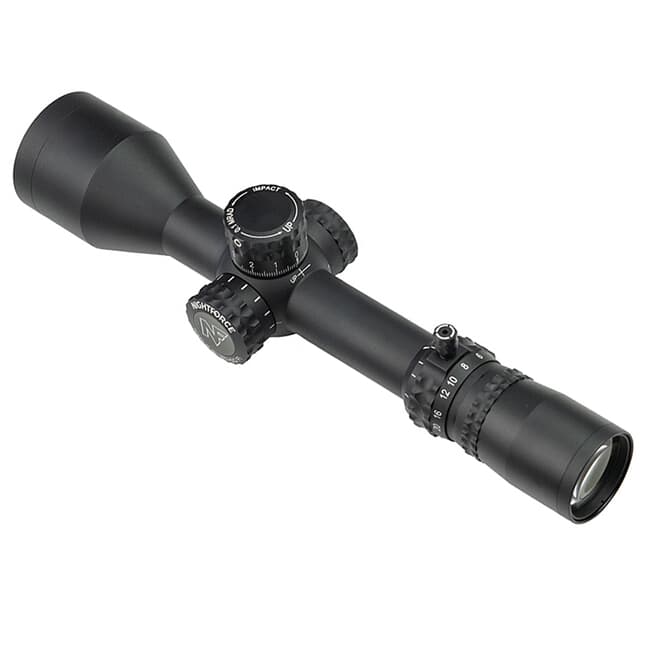
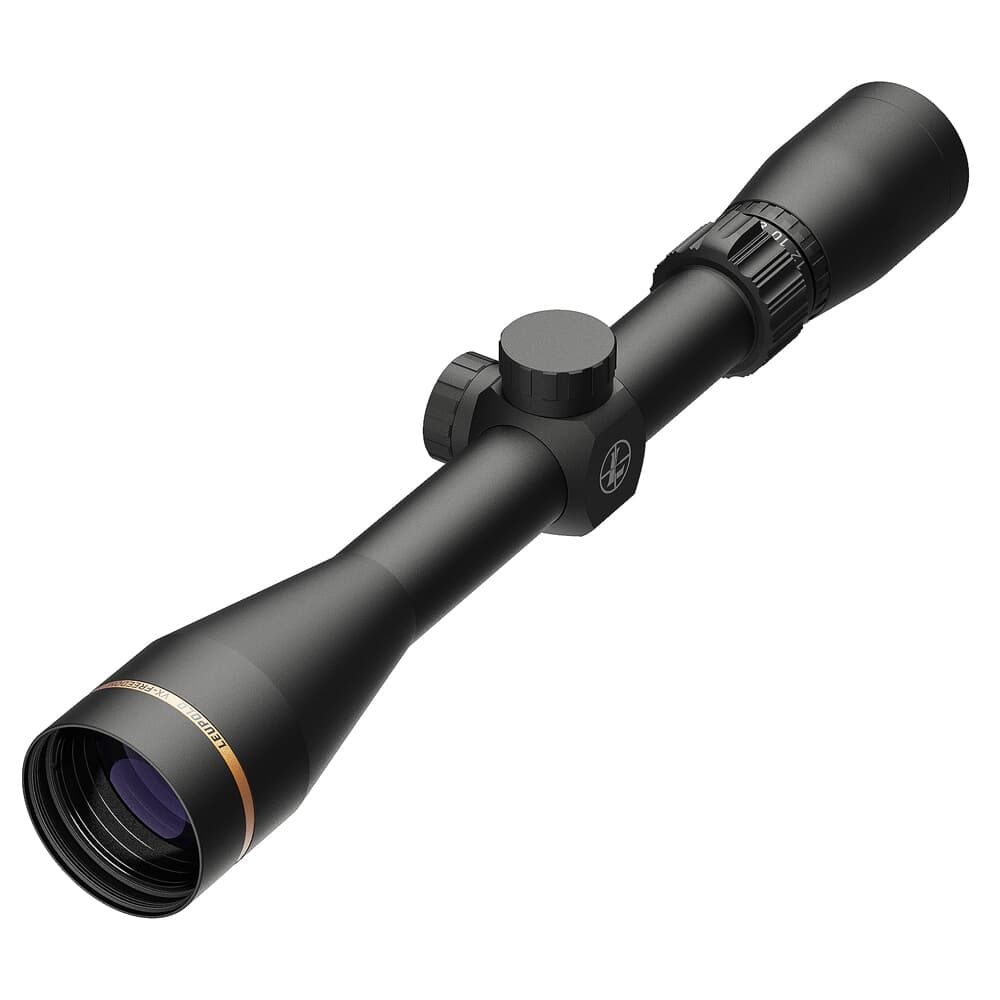
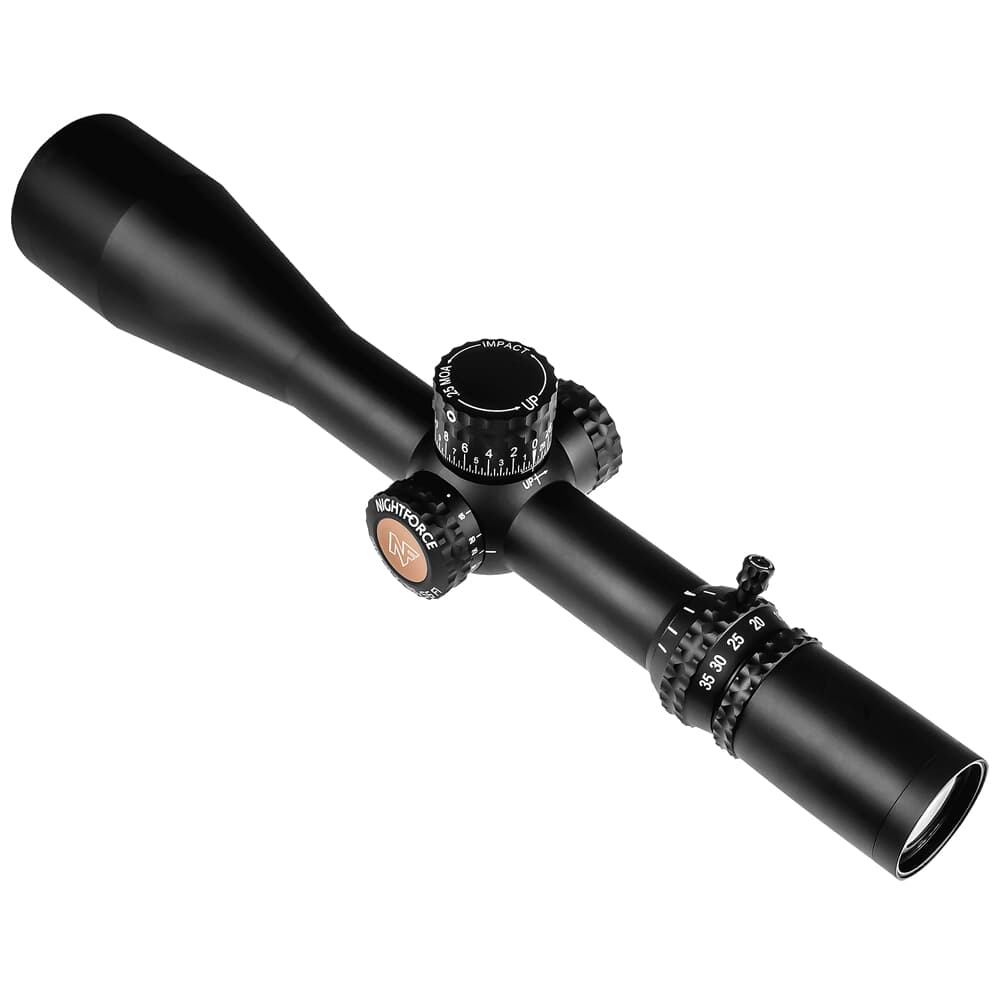
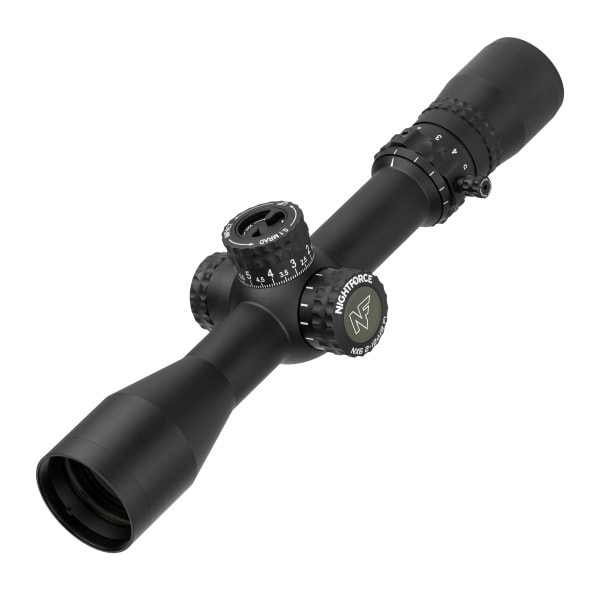
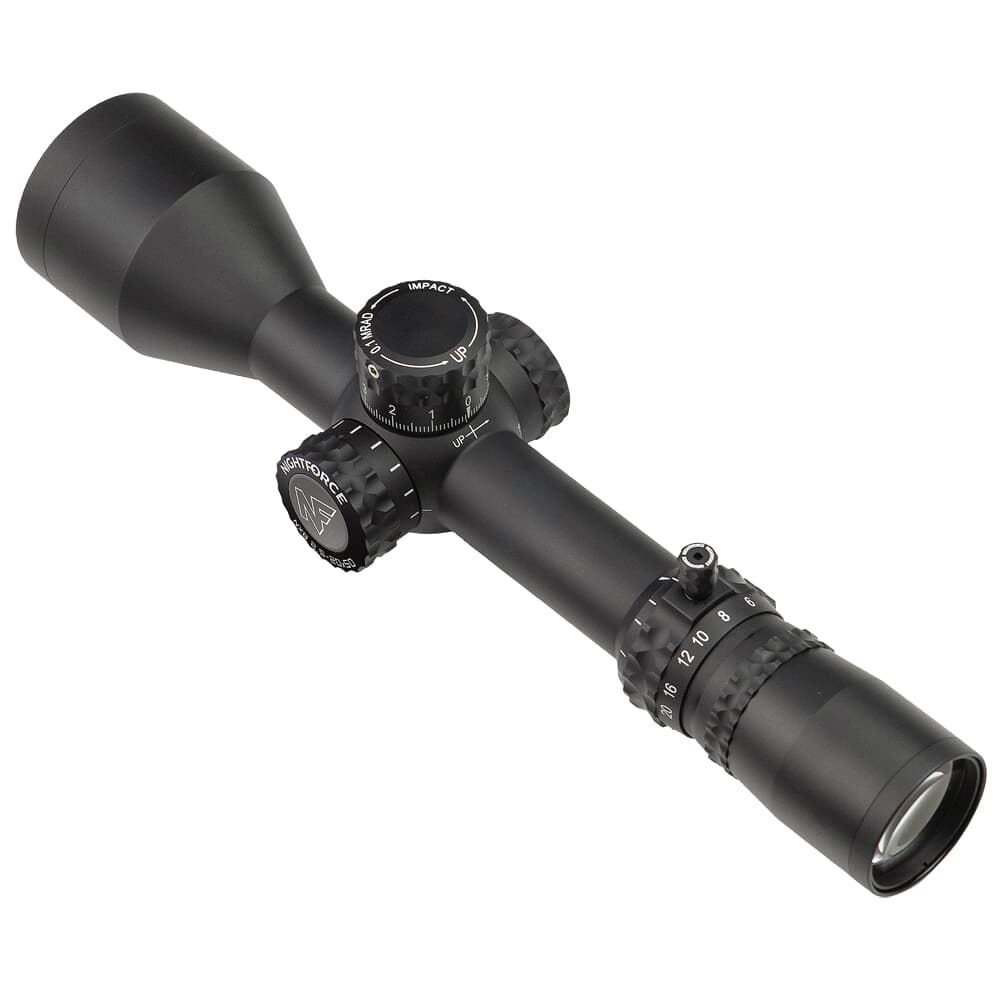
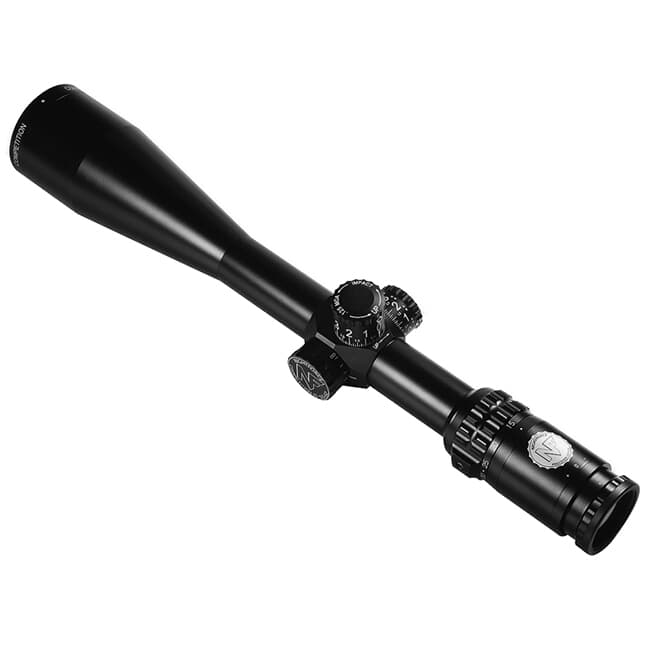
If you already have a brand in mind, compare dedicated selections such as Vortex rifle scopes and Nightforce riflescopes, or use the brand filter to explore Leupold, Trijicon, Swarovski, Zeiss, Schmidt & Bender, Steiner, and other premium optics.
Shop Rifle Scopes at Scopelist
Scopelist carries rifle scopes from established optics brands across a wide range of magnification, reticle, focal-plane, and adjustment configurations. Shoppers comparing premium optics at a lower price can also review Scopelist’s used and demo rifle scopes. Use the filters to compare the current selection, or contact Scopelist for help narrowing the options around your rifle, intended use, and preferred features.
Frequently Asked Questions
What Magnification Range Should I Choose for a Rifle Scope?
The right magnification range depends on the distances, target size, and field of view you need. Lower magnification generally provides a wider field of view and can make target acquisition easier at shorter distances. Higher magnification can make smaller or more distant targets easier to see, but it narrows the field of view and can make movement more noticeable.
What Is the Difference Between First Focal Plane and Second Focal Plane Rifle Scopes?
In a first focal plane scope, the reticle scales with magnification, so its subtensions remain consistent relative to the target throughout the zoom range. In a second focal plane scope, the reticle stays the same apparent size, and its subtensions are typically accurate at a designated magnification specified by the manufacturer.
How Should I Compare Reticles, Tube Size, and Turret Adjustments?
Compare the reticle by the amount of holdover, windage, or ranging information you need. Tube diameter affects mounting compatibility and can influence the available adjustment range, while turret design determines how quickly adjustments can be made and how well the controls are protected. Confirm ring size and feature specifications for the individual scope before ordering.